A little knowledge.
A bigger sky.
Practical guides for a night outside. Each one is written for this site, links to the primary sources it relies on, and assumes no specialist equipment.
When dark is really dark.
Twilight, moonlight, and streetlights each change the view. Learn which one you can plan around.
Read the field note →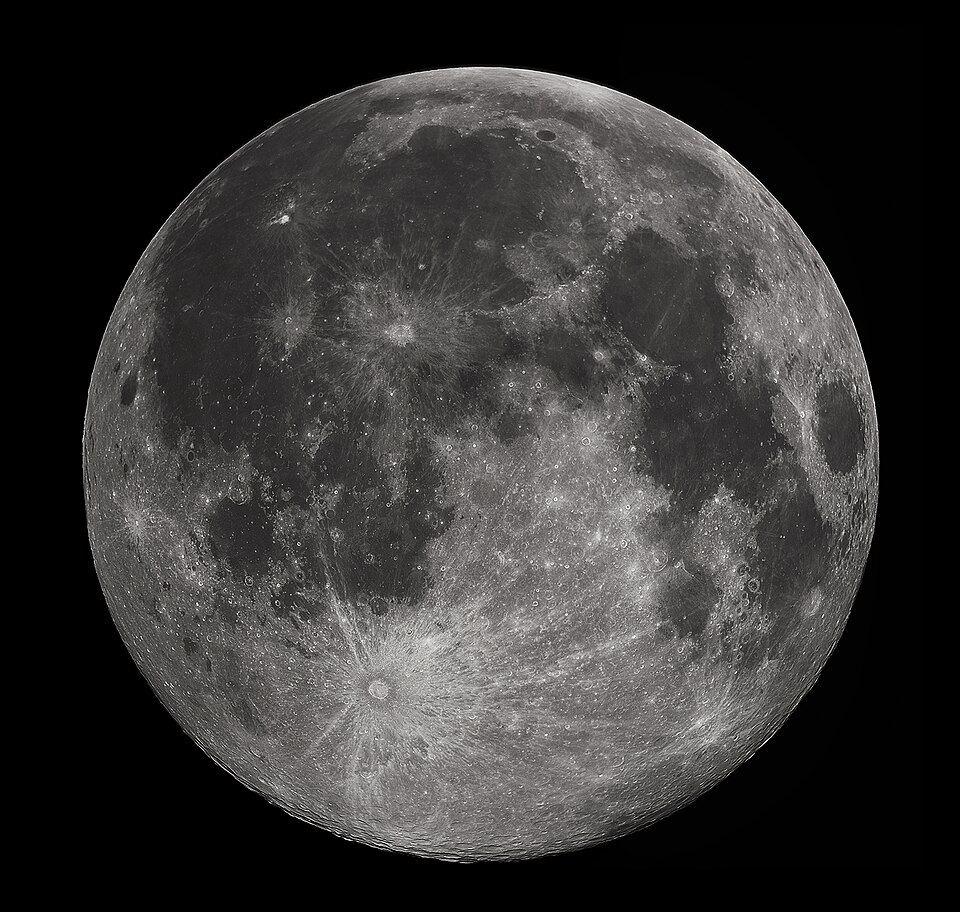
The Moon is not in the way.
Turn a bright night into a closer look at craters, ancient lava plains, and the changing line of sunlight.
Read the field note →Catch the quiet flyover.
Understand elevation, direction, and why a satellite can disappear in the middle of a clear sky.
Read the field note →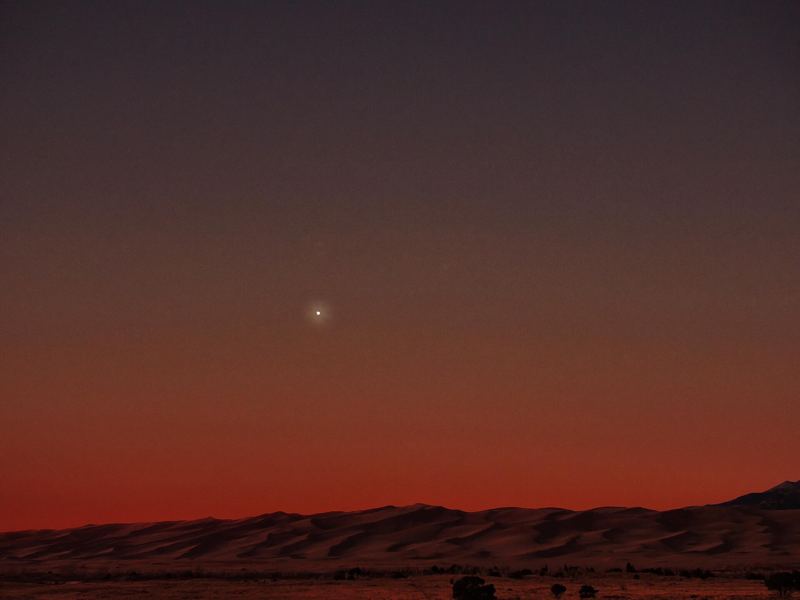
That bright “star” is probably a planet.
Where it sits, whether it twinkles, and what color it is. How to tell in under a minute.
Read the field note →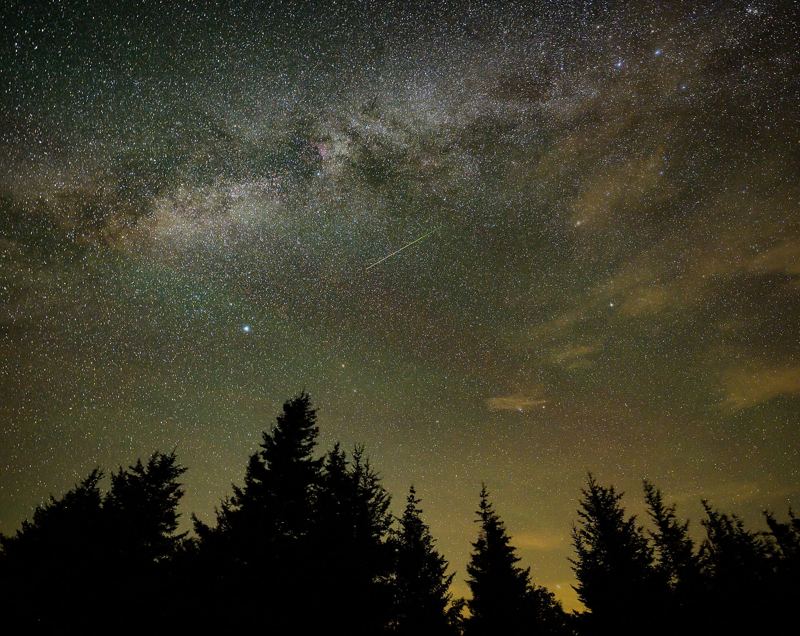
Meteor showers: which nights are worth staying up for.
A practical guide to the major annual meteor showers, what the hourly rates really mean, how moonlight changes a night, and how to watch without equipment.
Read the field note →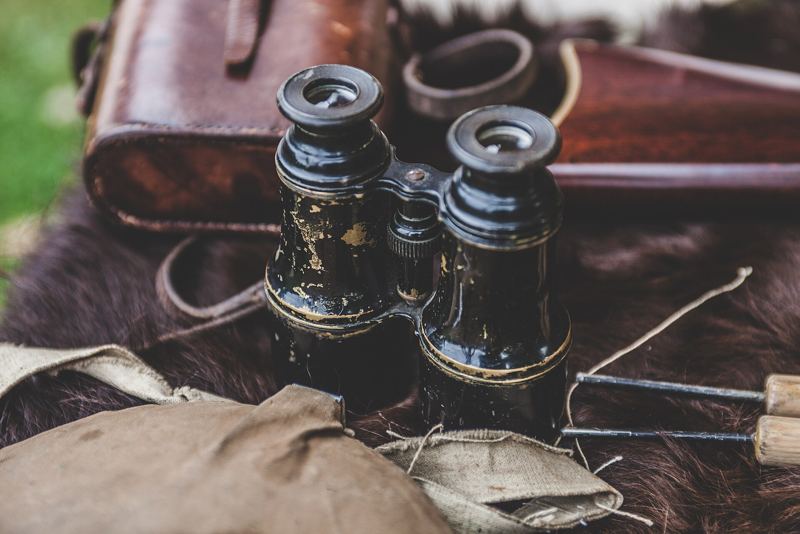
Before a telescope, try binoculars.
How to read binocular numbers like 7x50 and 10x50, why exit pupil matters for night use, how to hold them steady, and the best first targets in the night sky.
Read the field note →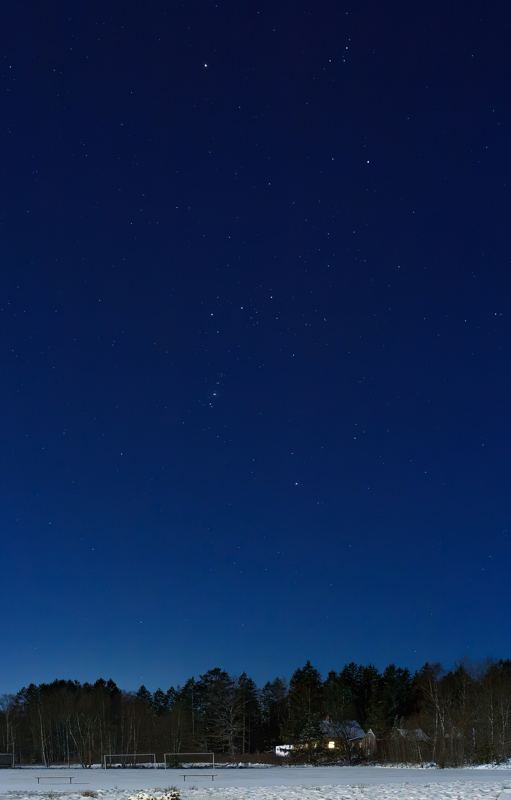
Finding north and south with nothing but the sky.
How to find Polaris with the Big Dipper, find south with the Southern Cross and its pointer stars, and use Orion's belt to find east and west, in either hemisphere.
Read the field note →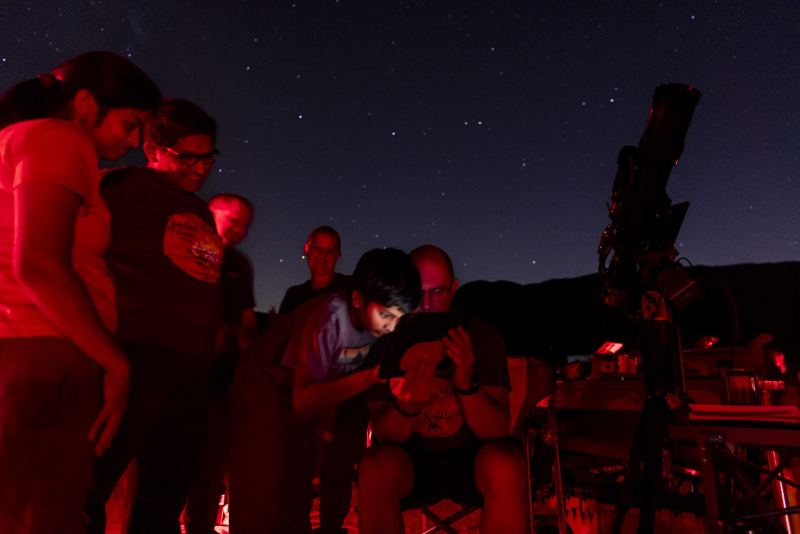
Your phone can photograph the night sky. Mostly.
How to photograph the Moon, stars, constellations and the Milky Way with a smartphone: keeping it steady, locking focus, using night mode and long exposures, and editing afterwards.
Read the field note →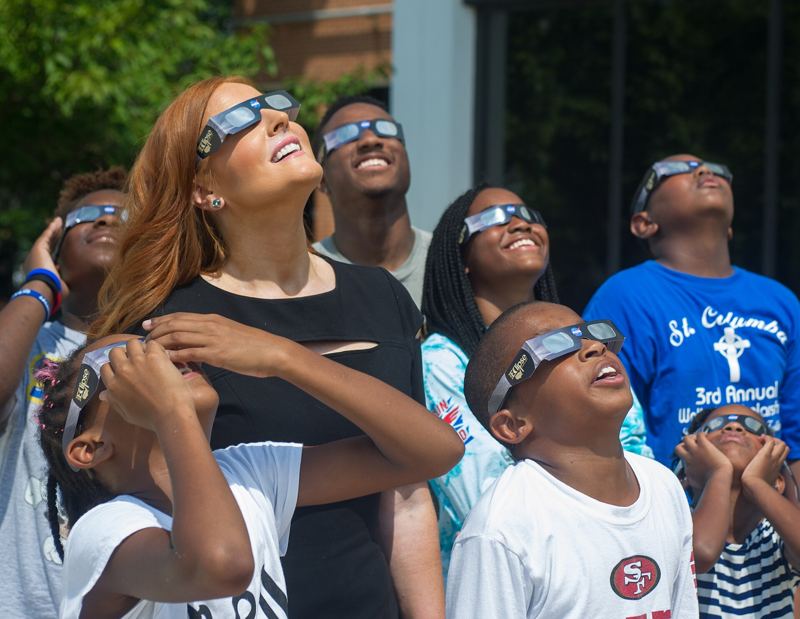
Watching a solar eclipse without hurting your eyes.
What makes eclipse glasses safe, why sunglasses and binoculars are dangerous, how to project the Sun with a pinhole, and when it is safe to look at totality. With notes on the 2 August 2027 total eclipse.
Read the field note →How these field notes are written
Each field note starts with a practical question and checks its facts against published references such as NASA, the International Meteor Organization and national astronomy societies. Sources are listed at the end of every guide. Photographs are credited with their author and license. The calculations behind the planner are explained on the methods page.