Plan a night by darkness, moonlight and station passes
Choose a place and an evening. The planner shows the dark hours, when the Moon is down, and estimated station passes from local noon to the next noon, with daylight saving handled by the time zone you select.
Seven-night view
Find a dark, moon-down session that fits your week
Your observing window
Choose a place and an evening. Explore local noon to the next noon, with daylight saving handled by your selected time zone.
Your observing window
The shape of your night
0° is the horizon. Negative altitude means below it. The plot is clipped below −45°. Shading marks astronomical night; the green bar also requires the Moon below the horizon.
Choose a location above
This combines astronomical darkness with the Moon below the horizon, without making a weather or visibility prediction.
What makes a good observing night? →The Moon
Phase is computed for your selected night.
A station, across your sky.
Optional ISS and Tiangong pass estimates for the place and date above. A lighting window is a possibility, not a promise of visibility.
Calculations use a dated orbital snapshot, not live telemetry.
Passes must rise above 10°. A lighting window means the station is sunlit and your Sun is below −6°. Weather, brightness, terrain, maneuvers and visibility are not modeled. Orbits more than 7 days from the selected window are rejected. Learn to read a pass →
Short reading that sits beside the planner
No specialist equipment needed to begin. Just a useful question, a place to stand, and time to notice.
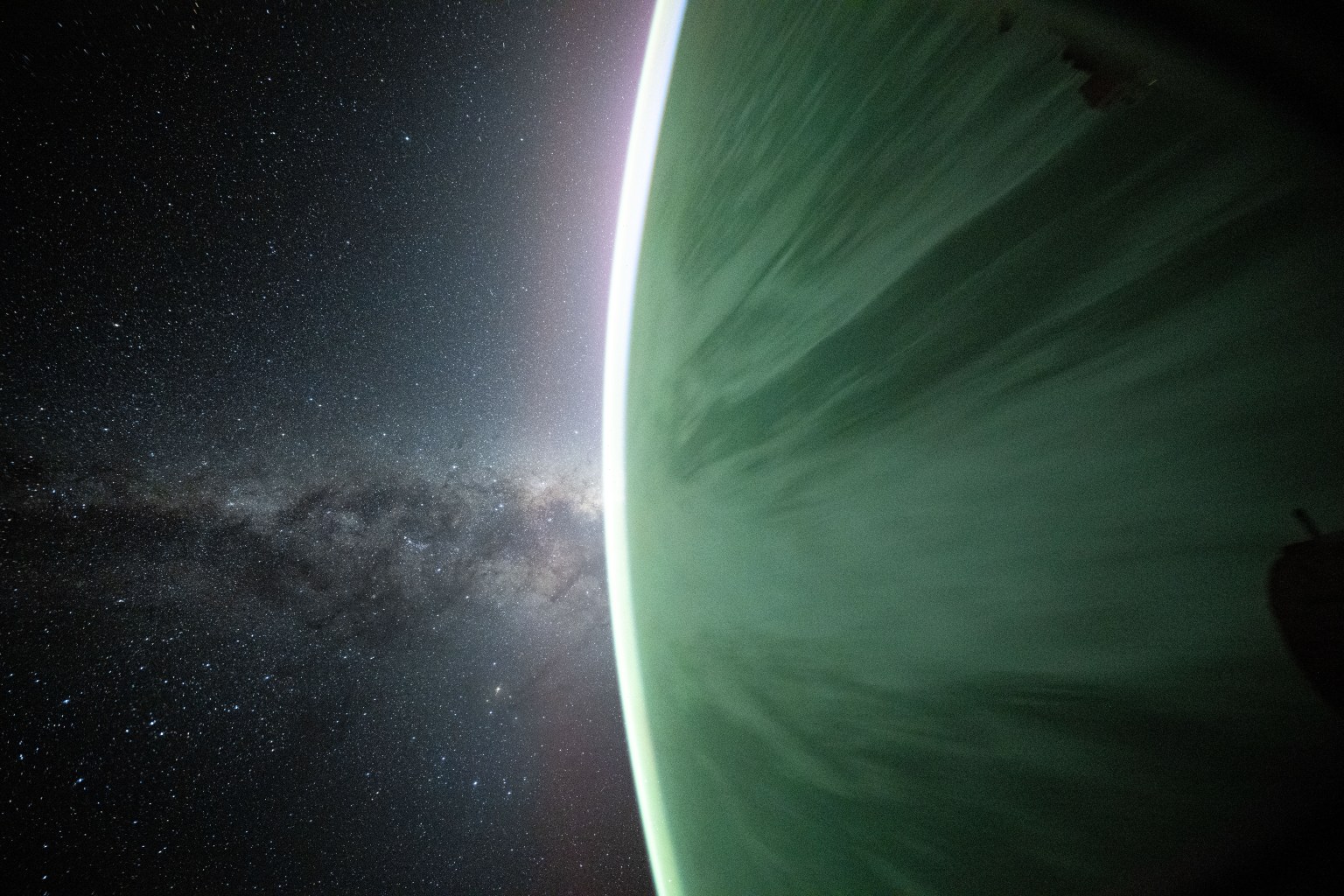
When dark is really dark.
Twilight, moonlight, and streetlights each change the view. Learn which one you can plan around.
Read the field note →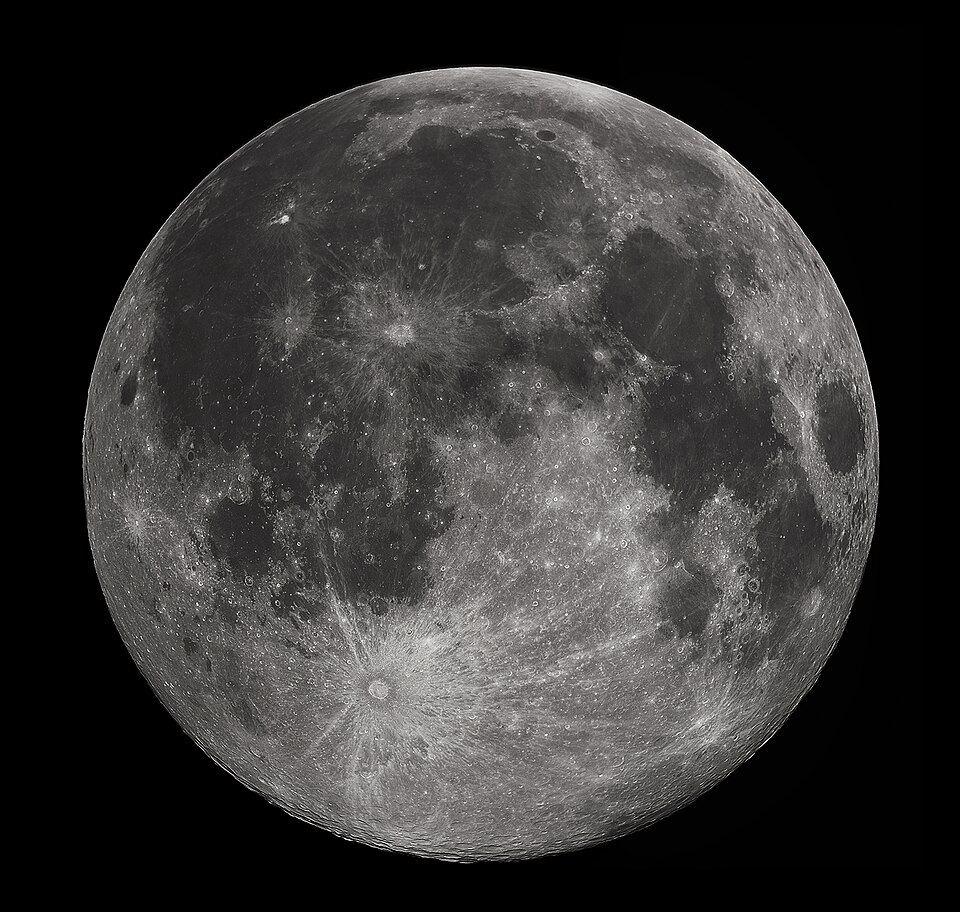
The Moon is not in the way.
Turn a bright night into a closer look at craters, ancient lava plains, and the changing line of sunlight.
Read the field note →Catch the quiet flyover.
Understand elevation, direction, and why a satellite can disappear in the middle of a clear sky.
Read the field note →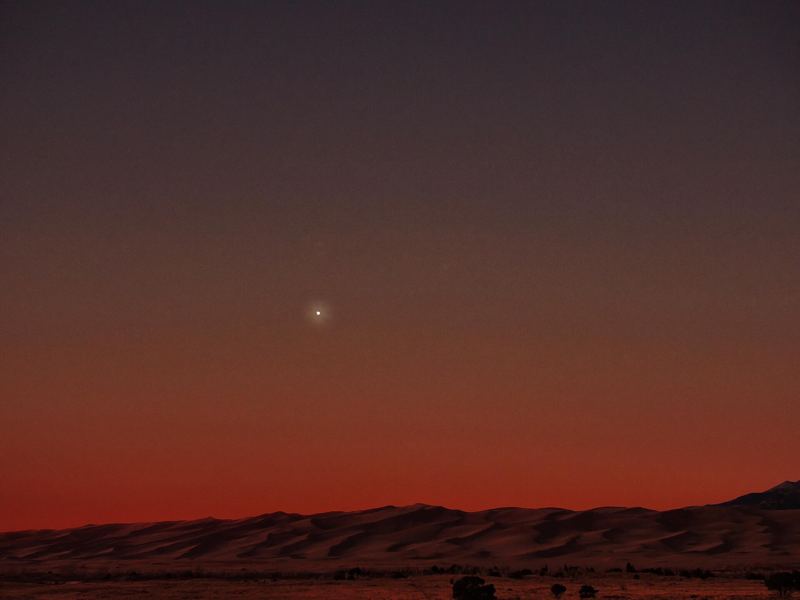
That bright “star” is probably a planet.
Where it sits, whether it twinkles, and what color it is. How to tell in under a minute.
Read the field note →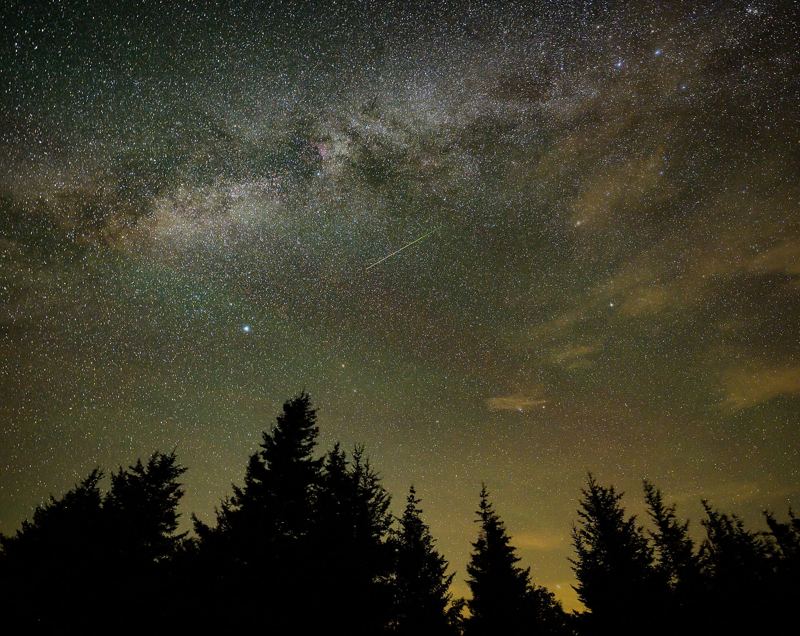
Meteor showers: which nights are worth staying up for.
A practical guide to the major annual meteor showers, what the hourly rates really mean, how moonlight changes a night, and how to watch without equipment.
Read the field note →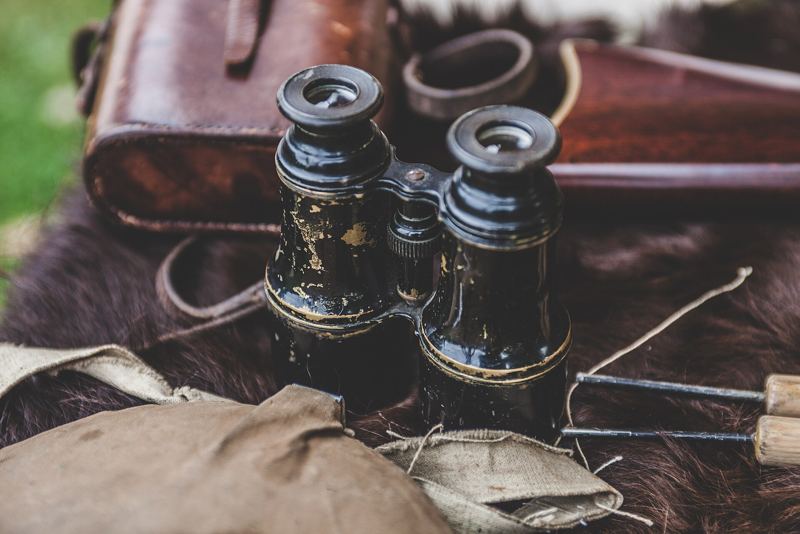
Before a telescope, try binoculars.
How to read binocular numbers like 7x50 and 10x50, why exit pupil matters for night use, how to hold them steady, and the best first targets in the night sky.
Read the field note →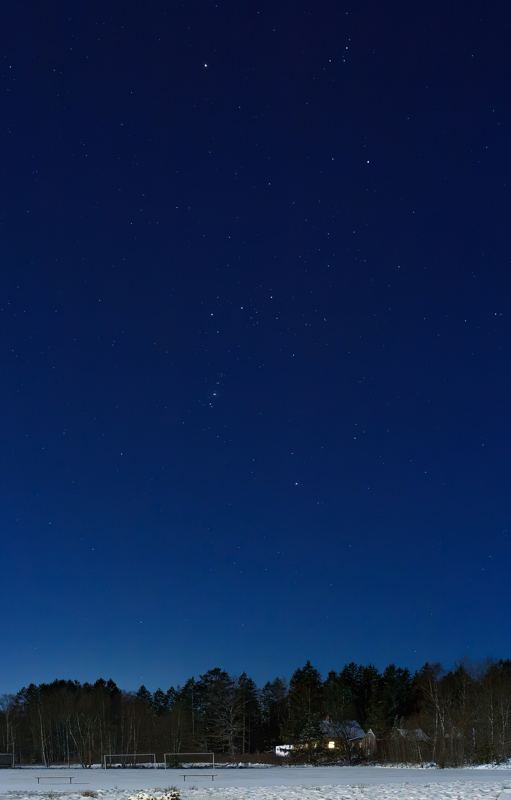
Finding north and south with nothing but the sky.
How to find Polaris with the Big Dipper, find south with the Southern Cross and its pointer stars, and use Orion's belt to find east and west, in either hemisphere.
Read the field note →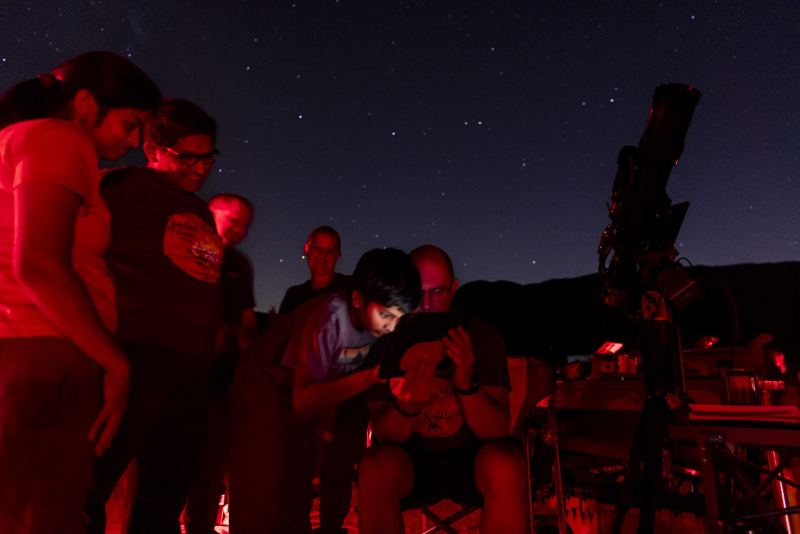
Your phone can photograph the night sky. Mostly.
How to photograph the Moon, stars, constellations and the Milky Way with a smartphone: keeping it steady, locking focus, using night mode and long exposures, and editing afterwards.
Read the field note →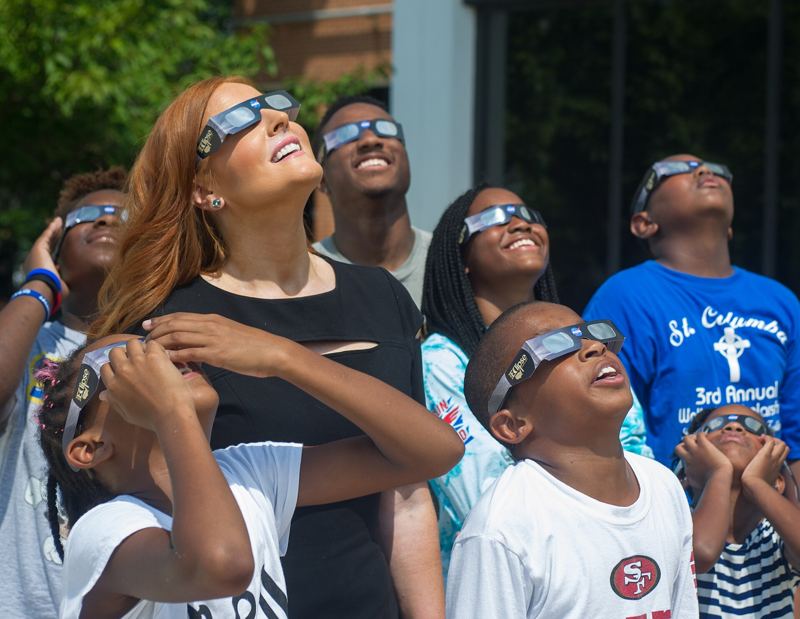
Watching a solar eclipse without hurting your eyes.
What makes eclipse glasses safe, why sunglasses and binoculars are dangerous, how to project the Sun with a pinhole, and when it is safe to look at totality. With notes on the 2 August 2027 total eclipse.
Read the field note →Less gear.
More looking.
Check the basics before leaving. This checklist stays only in your current page session.